
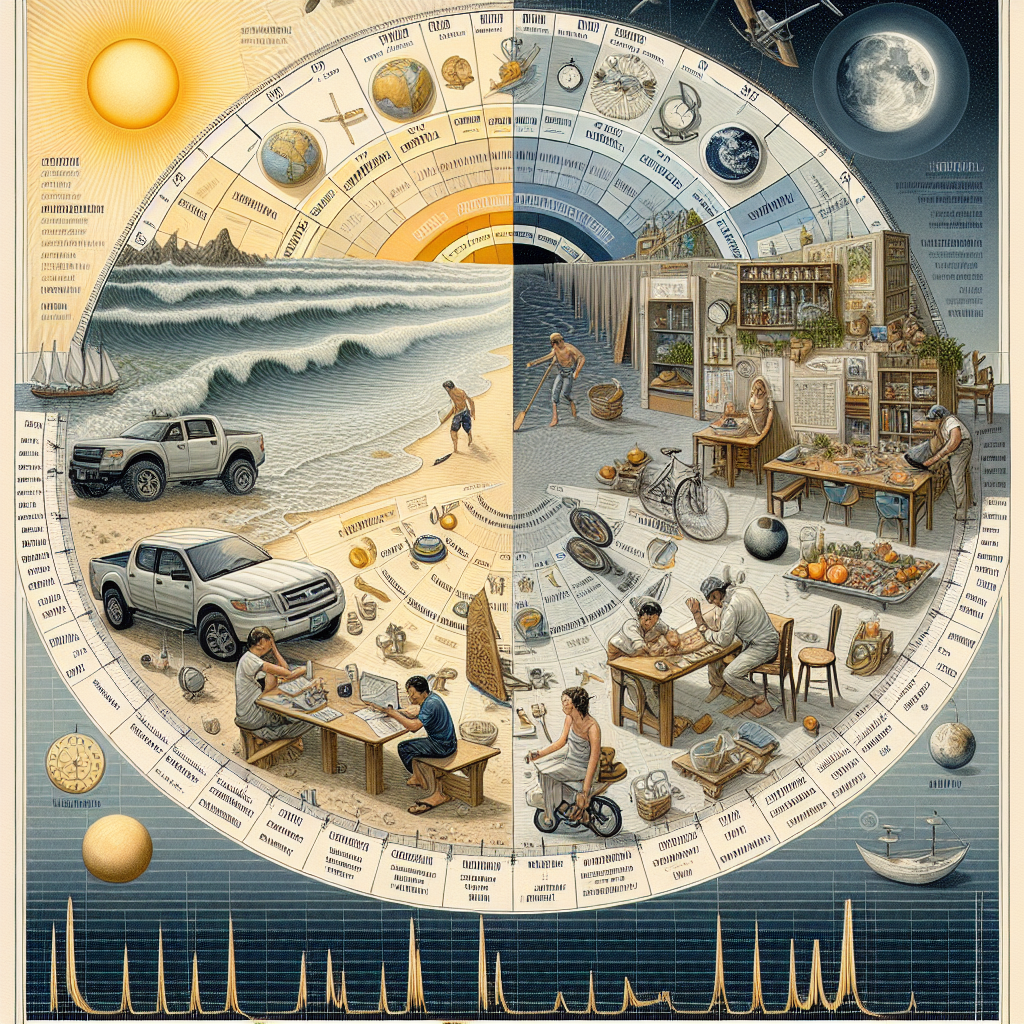
Season-Based Sprints: Align your goal cycles with solstices, tides, or moon phases
Work with nature’s clock, not against it.
The relatable reality
It’s late June in Australia. The days are short, your energy dips at 3pm, and that “new year, new me” list you wrote in January feels like it belongs to another person on another continent. You keep asking: why do traditional quarterly goals feel out of rhythm with my actual life?
Here’s a simple, powerful shift: stop forcing your goals into calendar quarters and start running season-based sprints—short, focused cycles aligned with solstices, tides, or moon phases. When your ambition fits the rhythm of your body and environment, consistency becomes easier, not harder.
Why season-based sprints work
- Natural energy waves: Our motivation isn’t flat. Longer days, cooler mornings, spring winds—these cues nudge how we focus and recover.
- Built-in variety: Changing your focus with the seasons prevents stagnation while maintaining momentum.
- Clear reset points: Solstices, new moons, or spring tides create natural “bookends” for planning, reviews, and recovery.
Note: Australia runs opposite to the Northern Hemisphere. Our summer solstice is around 21 December; winter solstice lands around 21 June. Many First Nations communities also recognise six or more seasons—another rich source of cues to align with.
Choose your rhythm
Pick a cycle that fits your context. Three tried-and-true options:
1) Solstice-driven “Season Sprints” (about 12–13 weeks)
Use the four quarters of the sun’s year as anchors:
• Summer (Dec–Feb): shipping and volume
• Autumn (Mar–May): systems and refinements
• Winter (Jun–Aug): strategy and learning
• Spring (Sep–Nov): growth and outreach
Best for: businesses, study cycles, training blocks, families planning around school terms.
2) Moon-phase sprints (29.5-day cycles)
Use the lunar month to run compact sprints with weekly cadences:
• New Moon: set a single, clear outcome
• First Quarter: build and test
• Full Moon: ship or showcase
• Last Quarter: tidy, reflect, recover
Best for: creatives, makers, habit-building, personal projects.
3) Tide-tuned work blocks (fortnightly spring/neap cycles)
Spring tides (around new/full moon) have stronger highs/lows; neaps are milder. Use them as a pulse:
• Spring tide weeks: outreach, sales, shipping, high-energy tasks
• Neap tide weeks: admin, deep work, maintenance
Best for: coastal lifestyles, field work, sales rhythms, teams juggling on-site vs desk days.
Real-life examples
- Jess, Brisbane designer: Runs Winter sprints for skills (courses, portfolio refresh), Spring for outreach (pitches, networking). Her “Solstice Review” includes a half-day at a café, three metrics, and a single next-season theme.
- Matt, WA rep and surfer: He plans prospecting pushes during spring tides (high energy, more travel) and uses neap tides for proposals, CRM clean-up, and training.
- Priya, Melbourne nurse: Follows lunar sprints for personal habits: New Moon setup (meal prep plan), First Quarter build (3 gym sessions/week), Full Moon share (walk with friends), Last Quarter reset (early nights, batch cooking).
How to set up your first season-based sprint
- Pick your anchor. Choose solstice/season, moon, or tides. If in doubt, start with Winter/Summer sprints or a simple lunar month.
- Define a single theme. One line only: “Winter = strategy and skill-building” or “This lunar sprint = finish the landing page.”
- Set 1–3 outcome goals. Make them observable: “Publish 4 blog posts,” “Reach 20 demo calls,” “Run 8 training sessions.”
- Plan the cadence.
- Kickoff ritual (30–60 mins): write goals, block big rocks in your calendar.
- Weekly focus (15 mins): choose one lever per week.
- Mid-sprint review: check leading indicators, adjust scope.
- Retro + reset: what worked, what didn’t, what to carry forward.
- Right-size your scope. Leave 10–20% buffer for life. Nature has variability; your plan should too.
- Track lead indicators. Inputs you control, not just lagging results:
- Sales: outreach attempts per week
- Fitness: sessions completed, sleep hours
- Creative: minutes of focused writing/making
- Create an environmental cue. A calendar reminder on full moon, a desktop background, a sticky note with your theme—make the rhythm visible.
Mini-playbooks you can copy
Winter Strategy Sprint (6 weeks + 1 deload)
- Theme: “Sharpen the axe.”
- Goals: map next quarter’s plan, tidy systems, skill up.
- Weekly focus: week 1 planning; week 2–4 systems; week 5–6 training; week 7 deload + retro.
Lunar Maker Sprint (29.5 days)
- New Moon: set one shippable project (e.g., a 3-page site).
- First Quarter: build core features; test with one user.
- Full Moon: publish and share with 5 people.
- Last Quarter: fix bugs, write a 10-line retro, archive notes.
Tide Rhythm for Field/Sales
- Spring tide weeks: outbound calls, site visits, demos.
- Neap tide weeks: proposals, follow-ups, pipeline hygiene, training.
Common pitfalls (and how to dodge them)
- Going too big, too soon: Cut your first sprint goals by 25%. You can always add later.
- No review cadence: Book the retro now. Future you will thank present you.
- Confusing vibes with outcomes: “Winter feels reflective” is nice; “Ship 2 strategy docs” gets results.
- Ignoring the Southern Hemisphere: Align with your sun and seasons, not a template from overseas.
Quick start: 20 minutes today
- Check the calendar: when’s the next solstice, new moon, or spring tide?
- Write a one-sentence theme for the upcoming cycle.
- List 1–3 outcomes and 2–3 lead indicators.
- Block a 30-minute kickoff and a 30-minute retro in your calendar.
- Set a visual cue (phone wallpaper, sticky note, or a dashboard).
Tools that keep it simple
A basic calendar and a notebook work fine. If you prefer a lightweight digital home for your sprints, Meloplan is a simple, effective way to plan goals, run short cycles, and track progress without clutter. It’s easy to set up a season or lunar sprint, record your weekly focus, and review what’s working—so you can stay consistent and adjust with confidence.
Final thought
There’s nothing mystical here—just practical alignment. When your goals ride with the season, the moon, or the tide, you don’t need more willpower; you need a better rhythm. Pick your anchor, set a clear theme, and start your first season-based sprint. You’ll be surprised how quickly momentum compounds when time and energy finally match.

Leave a Reply