
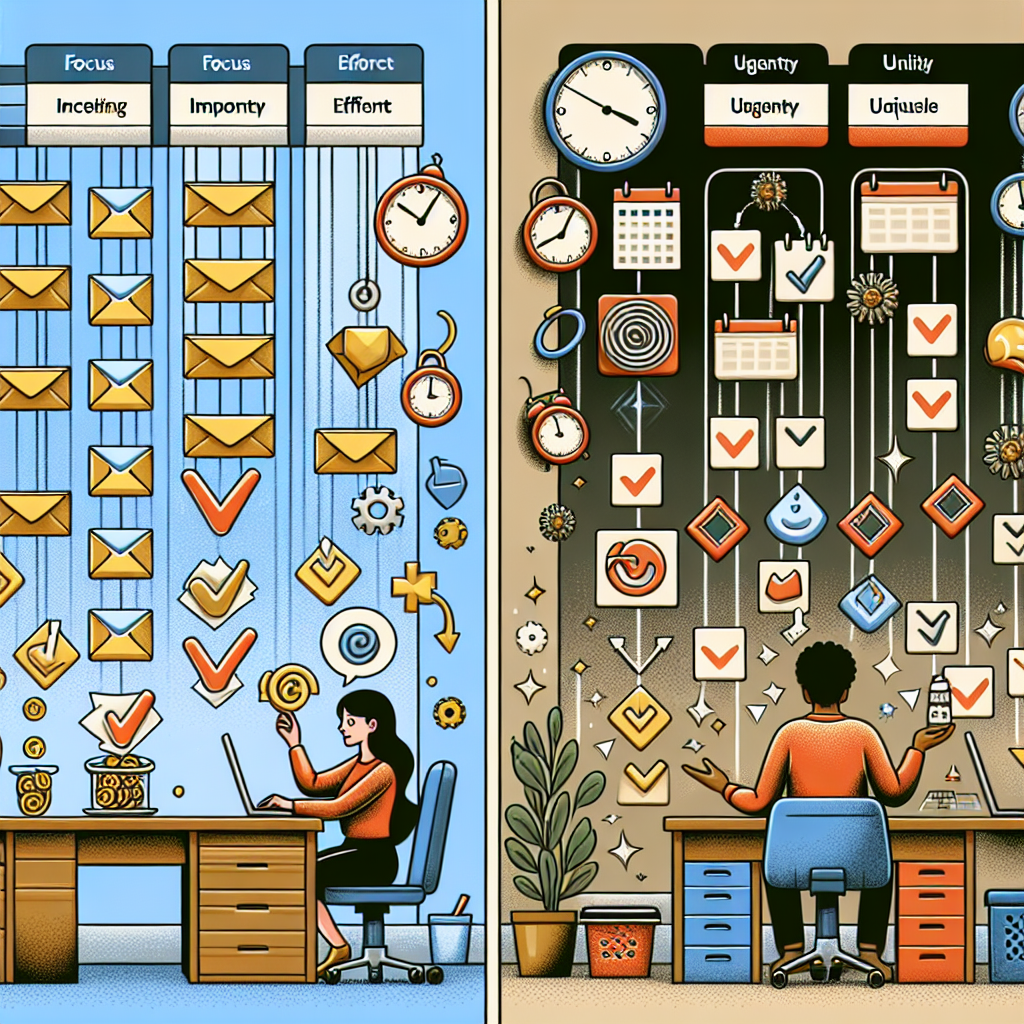
Refusal Metrics: make weekly “nos” your most important productivity KPI
It’s Monday. Your calendar looks like a game of Tetris, your inbox has a polite avalanche of “quick asks”, and somewhere under it all is the work you actually meant to ship this week. You’re not lazy. You’re not disorganised. You just said “yes” a few too many times.
The simple idea: track your nos
“Refusal Metrics” means you deliberately track and target a number of decisions you won’t take on each week. You set a Weekly No Target, treat it like a proper KPI, and use it to defend time for high‑impact work. It’s not about being difficult. It’s about optimising your limited attention.
Why this works:
- Focus insurance: protects your best work blocks from accidental overcommitment.
- Quality filter: forces trade‑offs so your yesses get better.
- Boundary signalling: teaches stakeholders how and when to work with you.
- Negotiation power: more considered responses lead to better scopes and timelines.
What to measure (keep it lightweight)
- Weekly No Target (WNT): how many clear refusals you aim for. Start with 7–12.
- Acceptance rate: percentage of requests you accept vs refuse.
- Time reclaimed: conservative estimate per no (e.g. 30–60 minutes for a declined meeting).
- Quality‑of‑Yes score: rate your accepted work 1–5 for strategic value.
- Stress delta: one‑word check‑in on Friday (lower/same/higher).
If you only choose one, choose WNT. The rest can follow.
Get started this week: a practical playbook
1) Set your Weekly No Target
Pick a realistic number for the next two weeks. Examples:
- Busy team lead: 10 nos (6 meetings, 3 scope changes, 1 ad‑hoc favour)
- Founder: 12 nos (5 vendor pitches, 3 meetings, 2 feature requests, 2 DMs)
- Individual contributor: 7 nos (3 meetings, 3 side tasks, 1 after‑hours ask)
2) Use a simple “No funnel” before you commit
Run each request through this five‑question filter:
- Is it aligned with this quarter’s top 1–2 goals?
- Is the impact clearly higher than the effort?
- Is the deadline real or just urgent vibes?
- Am I uniquely qualified to do this?
- What would I have to drop to say yes?
If you can’t answer confidently, it’s a no, a not‑now, or a conditional yes.
3) Copy‑paste refusal scripts
- Polite decline to a colleague: “Thanks for thinking of me. I can’t take this on this week. Here’s the doc we used last quarter, and Alex is the best contact for quick input.”
- Meeting decline: “For this decision my input is async — I’ve added comments in the doc. If you still need me, I can join the last 10 minutes.”
- Vendor pitch: “Appreciate the outreach. We’re focused on shipping X this quarter and not reviewing new tools until July. Feel free to circle back then.”
- Scope creep: “Happy to help. That’s outside our current scope. I can propose a 6‑hour add‑on at $X, or we can roll it into Phase 2.”
- Manager trade‑off: “I can do A or B by Friday, not both. Which should I deprioritise?”
4) Put guardrails in your calendar
- Book two recurring focus blocks (2–3 hours) as “Do not book — delivery work”.
- Set office hours for ad‑hoc chats (e.g. Tue/Thu 2–3pm).
- Default to 25‑minute meetings with agendas only.
- Decline any invite without a clear question or outcome.
5) Tame your inbox and DMs
- Introduce a 24‑hour cooling‑off rule for non‑urgent asks.
- Create canned responses for common nos and not‑nows.
- Filter FYIs into a read‑later label so they don’t steal decisions.
6) Make it a team norm
- Tell your team you’re running a “Refusal Metrics” experiment to protect delivery.
- Share the no scripts and calendar rules so it’s transparent and fair.
- Celebrate good nos in stand‑up: “Declined 3 meetings; shipped the draft.”
7) Review on Friday
- Tally nos and estimate time reclaimed.
- Score your yesses for quality.
- Note any rough edges or relationships to follow up on.
- Adjust next week’s target by +/‑ 2 based on how it felt.
Real‑life examples
Sam, a freelance UX designer in Sydney, raised his Weekly No Target from 3 to 12. He declined vendor demos, low‑fit leads, and meetings without agendas. In four weeks he reclaimed ~7 hours per week and used it to improve his proposal templates. Close rate went up 18% — without working longer.
Priya, a project lead in Brisbane, introduced office hours and a “comment first” rule. Meetings dropped 40% and her team shipped two milestones early. She kept relationships warm by offering alternatives rather than blanket refusals.
Handle the common fears
- Burning bridges: offer one helpful pointer or resource with your no.
- Missing out: keep a “Maybe Later” list you review monthly.
- Pushback from your boss: frame it as a delivery experiment — “I expect to save 4–6 hours a week and bring Feature X forward by a sprint.”
Track it simply (and actually stick with it)
You can track refusal metrics on paper or a spreadsheet. If you prefer a lightweight tool made for planning and reviewing weekly goals, Meloplan is a simple option:
- Create a weekly goal called “Refusal Metrics”.
- Log quick “No” entries with tags like #meeting, #scope, or #vendor.
- See your weekly no count, estimate time reclaimed, and note a one‑line stress check‑in on the review page.
- Block a recurring “No Power Hour” to clear invites and requests with your scripts.
Many readers find that having a visible no count nudges better decisions without turning work into a numbers game.
A 30‑day experiment you can start today
- Week 1 — Baseline: count nos without changing behaviour.
- Week 2 — Guardrails: set WNT to +3 over baseline; add two focus blocks; use one script daily.
- Week 3 — Raise the bar: increase WNT by 2; introduce office hours; default meetings to 25 minutes.
- Week 4 — Optimise: keep WNT; refine scripts; share results with your manager or team.
Success looks like more high‑quality yesses, calmer weeks, and visible time saved — not a perfect score.
Red flags and how to respond
- Nos feel combative: switch to “conditional yes” language and propose clear alternatives.
- Team mates bypass you: schedule a quick sync to explain the why and agree on norms.
- Your yes quality drops: you’re over‑refusing — lower WNT and revisit your filter.
The bottom line
Your best work depends on a steady drumbeat of thoughtful nos. Make them visible. Target them. Celebrate them. You’ll protect time for the work only you can do — and show up better for the commitments that truly matter.
If you’d like a simple place to plan, track, and review your weekly nos, give Meloplan a try. It’s quick to set up and friendly enough to stick with: https://app.meloplan.com/register

Leave a Reply